Osteoporosis Isn’t Just “An Old Woman’s Disease” Why Adults 45+ Need to Pay Attention Now
When most people hear the word osteoporosis, they picture a frail older woman with a curved spine and brittle bones.
But the truth is far bigger and far more important.
Bone loss often begins silently decades before a fracture ever happens. And while women are at greater risk, men are absolutely affected too. In fact, men tend to be diagnosed later and often after a serious fracture has already occurred.
At Evolution Fitness & Wellness, we believe osteoporosis prevention starts long before someone is told they have it.
Because strong bones are built through consistent habits not luck.
What Is Osteoporosis?
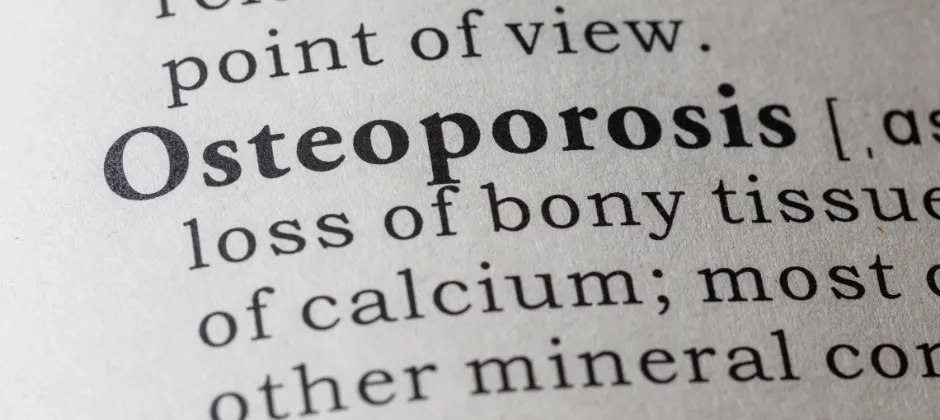
Osteoporosis is a condition where bones lose density, strength, and structural integrity, increasing the risk of fractures. The most common fracture sites are the hips, spine, and wrists.
And here’s the important part:
You generally do not “feel” osteoporosis happening.
Bone loss is often gradual and silent until a fall, injury, or even a simple movement results in a fracture.
By age 30–35, most adults have already reached peak bone mass. From there, bone density slowly declines with age.
Why Women Are at Higher Risk
Women experience accelerated bone loss during and after menopause due to declining estrogen levels. Estrogen plays a major role in protecting bone tissue.
Risk increases if you:
Are over 45
Enter menopause early
Have a small frame
Have a family history of osteoporosis
Smoke or drink heavily
Spend most of the day sedentary
Diet chronically or under-eat protein
Avoid resistance training
Have low vitamin D levels
Use certain medications long term (like corticosteroids)
But here’s what often gets overlooked:
Bone health is deeply connected to muscle health.
As muscle mass declines with age something called sarcopenia; and balance, coordination, posture, and bone loading also decline. That combination dramatically increases fall and fracture risk.
Men: You Are NOT Off the Hook
Men develop osteoporosis at lower rates than women, but they are far from immune.
Testosterone naturally declines with age, and low testosterone is associated with reduced bone density.
Men are also at increased risk if they:
Carry excess visceral fat
Drink alcohol heavily
Smoke
Avoid resistance training
Have low vitamin D
Live sedentary lifestyles
Have diabetes or metabolic disease
Use steroid medications
Experience low muscle mass
One major issue?
Men are less likely to be screened early.
Which means osteoporosis in men is often discovered after a significant injury or fracture.
The Science on Exercise Is Clear: Bones Need Stress to Stay Strong
One of the biggest misconceptions we hear is:
“I walk every day, so my bones should be fine.”
Walking is fantastic for cardiovascular health and general movement.
But bone tissue responds best to mechanical loading.
That means bones need appropriately applied force and resistance to stimulate adaptation and maintenance. Research consistently shows that weight-bearing exercise and resistance training help maintain and improve bone density.
The strongest evidence supports:
Resistance training
Weight-bearing exercise
Balance training
Progressive loading over time
For many adults 45+, this can include:
Squats
Step-ups
Lunges
Carrying weights
Resistance bands
Controlled machine work
Tai Chi
Balance drills
Walking with intention and intensity
Research also suggests that properly supervised higher-intensity resistance training may improve bone mineral density in postmenopausal women and older adults with low bone mass.
That does not mean everyone should suddenly start jumping onto boxes or deadlifting heavy weights without guidance.
It means bones respond to challenge.
And challenge should be individualized.
Balance Training Matters More Than People Realize
Osteoporosis isn’t just about bone density.
It’s also about reducing falls.
Balance training, coordination work, posture training, and lower-body strength all help reduce fall risk — which is one of the biggest drivers of fractures later in life.
This is one reason we value modalities like Tai Chi so highly at EFW.
Tai Chi has been shown to improve balance, body awareness, stability, and movement confidence.
Nutrition Matters Too; Especially Protein
Bones are not just calcium storage units.
Bone tissue is metabolically active and relies on:
Adequate protein
Vitamin D
Calcium
Magnesium
Resistance exercise
Hormonal health
Muscle mass
Chronically under-eating, extreme dieting, low protein intake, and excessive ultra-processed food consumption can all negatively impact bone health over time.
This is one reason we talk so much about muscle at EFW.
Muscle and bone health are deeply interconnected.
How EFW Helps Adults 45+ Protect Their Bones
At Evolution Fitness & Wellness, we don’t believe exercise should leave you broken down, intimidated, or feeling like you don’t belong.
Our entire model is designed around helping adults 45+ build strength, confidence, balance, and resilience safely.
That includes:
Professionally coached small-group personal training
One-to-one coaching
Functional strength training
Balance and fall-prevention work
Tai Chi classes
Recovery-focused movement
Virtual coaching options
Assessments that help identify weaknesses and risks early
Our team includes certified Functional Aging Specialists who understand that exercise after 45 should be strategic not random punishment.
Because the goal isn’t simply to “work out.”
The goal is to stay capable.
To continue traveling.
Playing with grandkids.
Getting on the floor and back up.
Carrying groceries confidently.
Riding horses; playing golf, pickleball, or tennis
Hiking, skiing, etc
Living independently.
Strong bones support a strong life.
And it is never too late to start improving the trajectory of your health.
References & Research
Evolution Fitness & Wellness
Cy-Fair’s #1 Personal Training Studio for Adults 45+