Bone Health Now
Bone Mass, Bone Density, and Why Paying
Attention Now Matters
When we talk about aging well, conversations often focus on strength, balance, and mobility. But there’s another foundational piece that deserves just as much attention: bone health.
Specifically, understanding the difference between bone mass and bone density and why timing matters can make a meaningful difference in how long we stay strong, capable, and independent.
Bone Mass vs. Bone Density: What’s the Difference?
While these terms are often used interchangeably, they’re not the same.
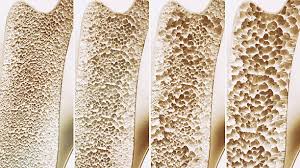
Bone mass refers to the amount of bone tissue you have.
Bone density refers to how compact and strong that bone tissue is.
They’re closely related. As bone mass declines, bone density typically follows, increasing the risk of fractures and loss of function.
Most people reach their peak bone mass in their early 30s. From there, the trajectory depends largely on lifestyle how we move, how we fuel our bodies, and how consistently we support strength.
Why Women Shouldn’t Wait to Get Screened
Bone loss often happens quietly.
Osteopenia, the early stage of bone loss, usually has no noticeable symptoms.
Osteoporosis is frequently discovered after a fracture has already occurred.
For women, this risk increases during perimenopause and menopause, when declining estrogen can accelerate bone loss. Early screening allows time to implement strength training, nutritional support, and lifestyle changes that may slow further loss.
If you’re in this phase of life, it’s important to have a proactive conversation with your medical practitioner about bone health, hormone changes, and appropriate screening options.
Men Are Affected Too
Although osteoporosis is more common in women,men are not immune.
Roughly 1 in 5 men over age 50 will experience an osteoporosis-related fracture, and men are often diagnosed later, when bone loss is more advanced. Bone health is a lifelong concern for everyone.
How Resistance Training Supports Bone Health
One of the most powerful, evidence-based tools for supporting bone mass and density is functional resistance training.
Bones respond to load and stress. When you lift, push, pull, squat, and carry, you send a clear signal to your bones that they are needed and must remain strong.
This is why we emphasize:
Progressive resistance training
Multi-joint, functional movement
Consistency over intensity
Walking is excellent for cardiovascular health and daily movement but it is not enough on its own to preserve bone density as we age.
Nutrition That Supports Strong Bones
Bone health isn’t about calcium alone. Research shows that bones are made of both minerals and protein, and they rely on multiple nutrients working together.
Key nutritional considerations include:
Adequate protein intake
Sufficient calcium, preferably from whole foods
Vitamin D, which supports calcium absorption
Vitamin K, which helps direct calcium into bones rather than soft tissue
At Evolution Fitness & Wellness, we offer access to a high-quality Vitamin D3+ supplement for those who may seek support.
You can learn more about it here:
👉https://efw.lifevantage.com/us-en/shop/lifevantage-d3
As always, supplementation should complement and not replace a solid nutrition and movement foundation.
Lifestyle Factors That Influence Bone Health
Over time, certain habits can negatively impact bone mass and density:
Smoking or vaping
Excessive alcohol intake
Diets high in ultra-processed foods
Chronic inactivity
Poor sleep and unmanaged stress
These factors don’t cause immediate damage, but their cumulative effect matters.
Measuring What Matters: Styku at EFW
At EFW, we also offer the Styku 3D body composition scan, which provides insight into:
Estimated bone mass
Lean muscle tissue
Fat mass
While Styku is not a medical diagnostic tool, it offers a valuable baseline and a way to track meaningful changes over time especially when paired with consistent training and supportive lifestyle habits.
The Bigger Picture
Bone health isn’t just about preventing fractures.
It’s about:
Staying independent
Moving with confidence
Remaining capable of doing the things you need to do and love to do
The earlier you pay attention, the more options you have.
At Evolution Fitness & Wellness, our mission is to support strength, bone health, and long-term function through thoughtful training, education, and consistency not fear or extremes.
If you’d like to schedule a Styku scan, talk about bone-supportive training, or learn more about nutritional support options, reach out to us.
We’re here to help you take the next informed step toward living stronger, longer.
Evolution Fitness & Wellness
Cy-Fair’s #1 Personal Training Studio for Adults 45+