
Why Strength Helps Fight Cancer
February is National Cancer Prevention Month, with World Cancer Day recognized on February 4. It’s an important time to highlight a topic that often doesn’t get enough attention during cancer treatment: muscle loss.
For many people with cancer, losing muscle can affect treatment outcomes, daily function, and quality of life. Severe muscle and weight loss—known as cancer cachexia—contributes to nearly one-third of cancer-related deaths. Because of this, researchers are placing greater focus on the role of movement and strength.
According to the American Institute for Cancer Research (AICR), muscle loss during cancer treatment is common, and scientists are studying how exercise may help preserve muscle and maintain strength. One of those researchers is Dr. Michael De Lisio, PhD, an AICR grantee and associate professor at the University of Ottawa.
“Maintaining muscle plays an important role in cancer survival,” says De Lisio. “Unfortunately, there are no treatments for this condition available, mostly because we don’t fully understand what causes cachexia.”
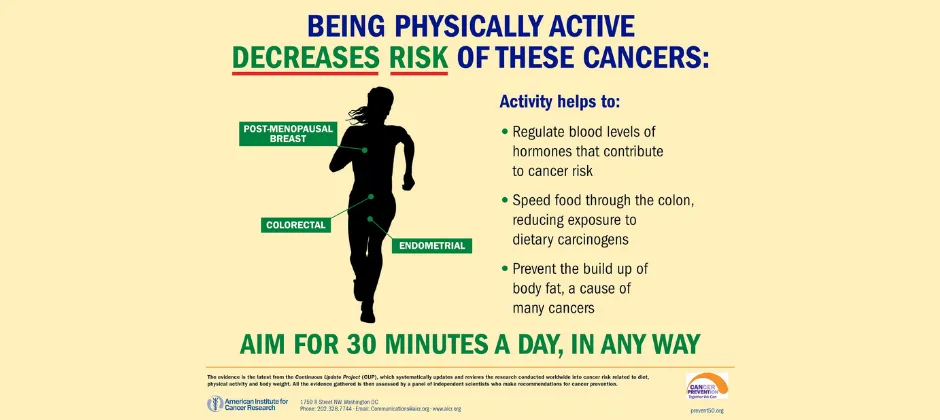
Dr. De Lisio’s research focuses on why muscle breaks down during cancer and how exercise may help slow or prevent that loss, suggesting that physical activity can support healthier muscle function.
At EFW, we understand the benefits of exercise in supporting individuals affected by cancer. Strength training and intentional movement are about more than fitness—they help support recovery, resilience, and overall quality of life. We believe exercise should support your health at every stage, and we are committed to helping our community stay strong.

Evolution Fitness & Wellness
Cy-Fair’s #1 Personal Training Studio for Adults 45+